
Why a Filter Separator Is Essential Before Natural Gas Enters a Compressor
In many discussions at natural gas gathering stations or processing facilities, we often hear the same question:
The gas has already passed through a separator. Do we still need to install a filter separator?
In reality, this issue is overlooked at many stations, yet it is a critical factor affecting the stable operation of compressors.
As a company engaged in the design and manufacturing of oil and gas separation equipment, HC has participated in multiple natural gas processing and gathering projects. During these projects we found that many compressor failures, valve wear problems, and even unexpected shutdowns were ultimately related to insufficient gas purification.
In this article, we would like to discuss from an operational perspective why a filter separator should always be installed before natural gas enters a compressor.
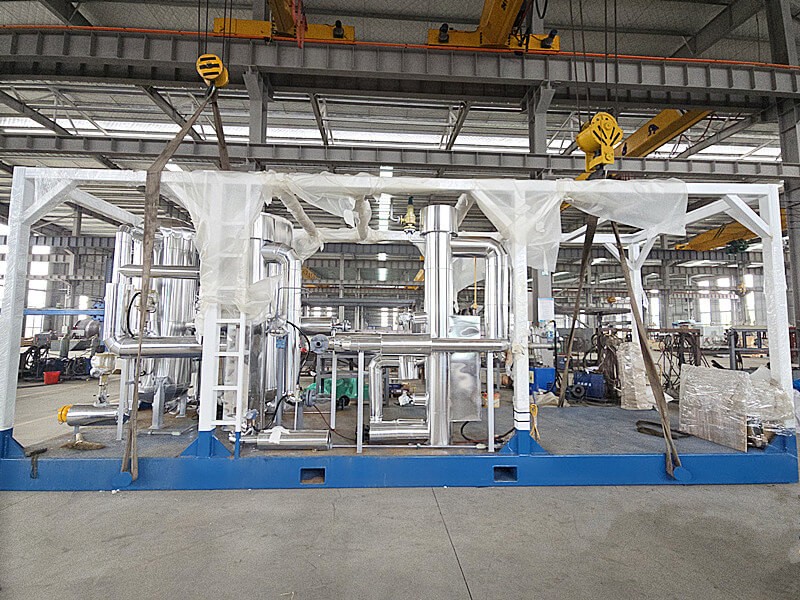
1.Natural Gas Is Not as “Clean” as Many People Think
Many people assume that once natural gas passes through a wellhead separator or station separator, it becomes clean dry gas.
However, in reality, the gas traveling from the wellhead to the compressor inlet often still contains various impurities, such as:
Condensate or light hydrocarbon droplets
Produced water or water mist
Fine sand particles carried from the formation
Rust particles generated by pipeline corrosion
Solid debris from valve or equipment wear
Although these contaminants may not be easily visible, they can pose significant risks to high speed compressors.
The problem is more common under the following operating conditions
High condensate gas wells
Compressor systems with frequent start stop operations
Long distance gathering pipelines
Aging pipeline networks
If the gas is not effectively filtered and separated, these droplets and particles will eventually enter the compressor.
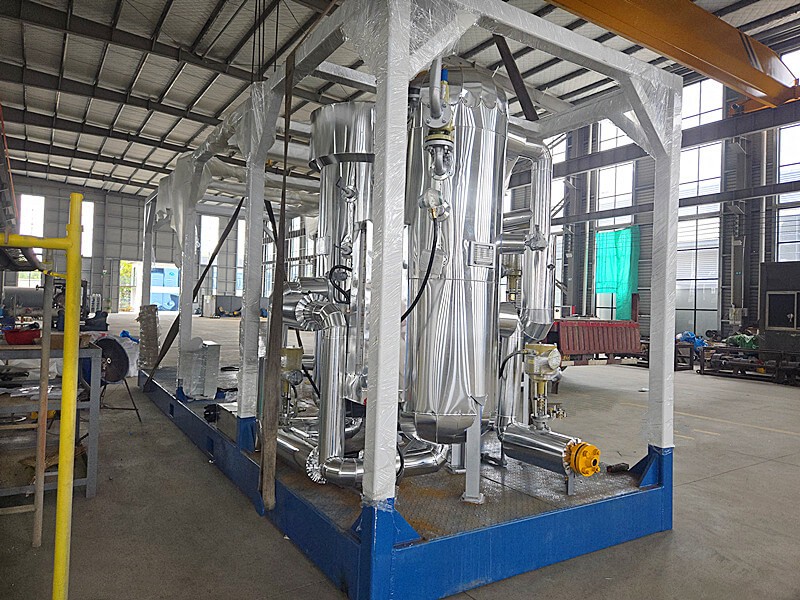
2.Liquid Carryover Can Cause Serious Compressor Problems
Most field operators know one simple rule:Compressors are not afraid of gas but they are extremely sensitive to liquids.
When liquids enter a compressor with the gas stream, several problems may occur.
First is the risk of liquid slugging. Liquid cannot be compressed like gas inside compressor cylinders or rotating components. In severe cases this can lead to vibration, deformation of components, or mechanical damage.
Second is contamination of the lubrication system. Condensate and water entering the system may degrade lubricant performance and reduce lubrication efficiency.
Third is accelerated wear of valves and sealing components. Solid particles in the gas stream can continuously erode compressor valves, sealing rings, and impeller edges, significantly reducing equipment service life.
In several real projects we have encountered compressor units that required frequent maintenance only a few months after startup. In many cases the root cause was not the compressor itself, but insufficient filtration and liquid removal at the inlet.
3.What Is the Role of a Filter Separator
In natural gas systems, a filter separator is usually installed at the compressor inlet. Its main functions can be summarized as three aspects.
First, it removes liquid droplets from the gas stream. Through internal gas liquid separation structures and mist elimination components, liquids can be effectively separated and discharged.
Second, it captures solid particles. Filter elements are used to intercept fine particles and prevent them from entering downstream equipment.
Third, it improves overall gas quality. This ensures that the gas entering the compressor is cleaner and more stable.
From an operational perspective, the filter separator serves as the final protective barrier for the compressor.
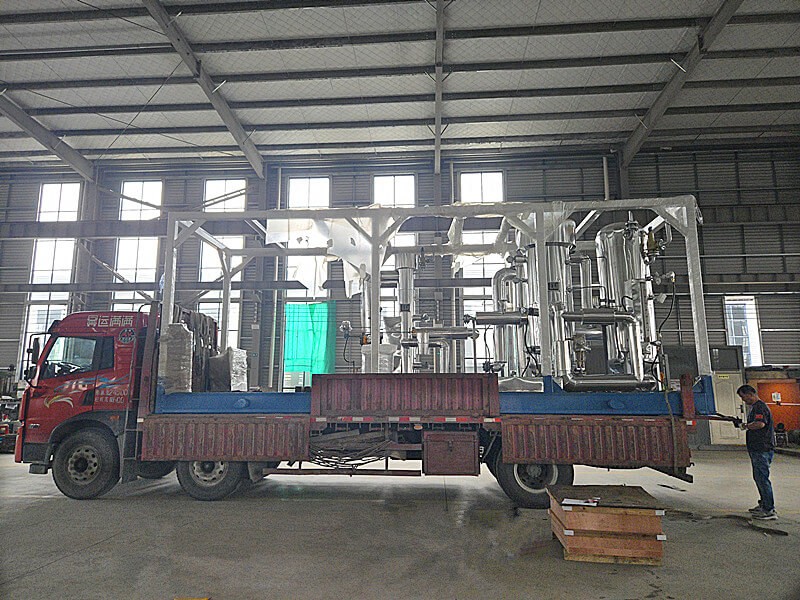
4.Where Filter Separators Are Commonly Used
In the oil and gas industry, filter separators are commonly used in several types of facilities
Natural gas compressor inlet protection
Front end purification in gas processing plants
Pipeline transmission stations
City gas gate stations
Gas treatment systems for LNG or CNG projects
In many applications, these units are designed as skid mounted systems, which simplifies transportation, installation, and on site integration.
In natural gas gathering and processing systems, many operational problems do not occur suddenly but develop gradually over time.
For compressor systems, gas cleanliness plays a critical role in determining equipment stability and service life.
Installing a reliable filter separator upstream of the compressor may appear to be a small addition to the process system, but from the perspective of safety, reliability, and operating cost, it is often a very worthwhile investment.
If you are planning equipment configuration for a natural gas facility or would like to learn more about filtration and separation solutions, please feel free to contact HC for further discussion.