






A three-phase separator used in oilfield operations must do more than withstand pressure. It also needs to handle the expected fluid flow, support effective oil-gas-water separation, and meet the project’s operating and safety requirements.
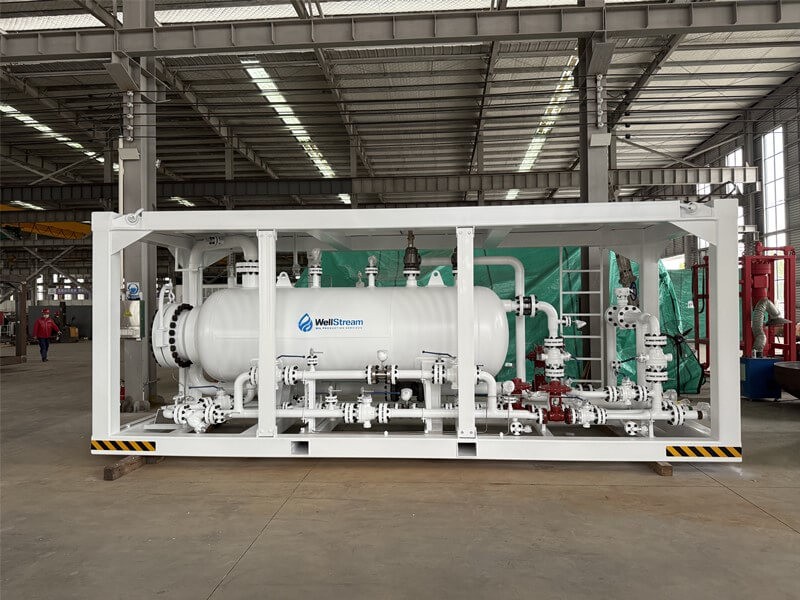
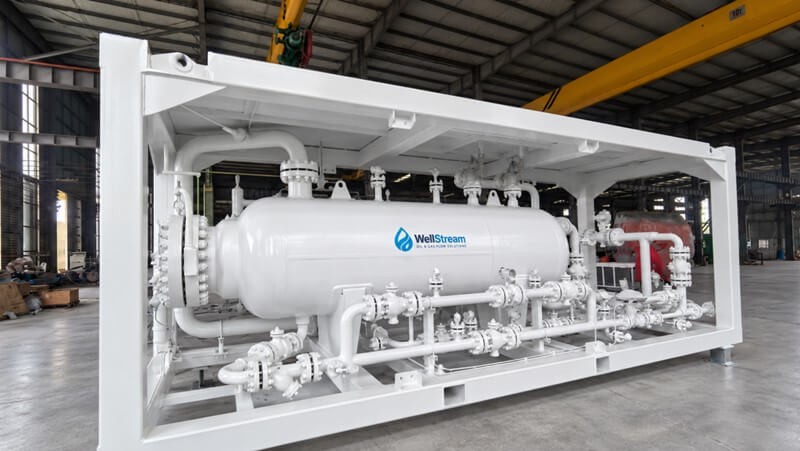
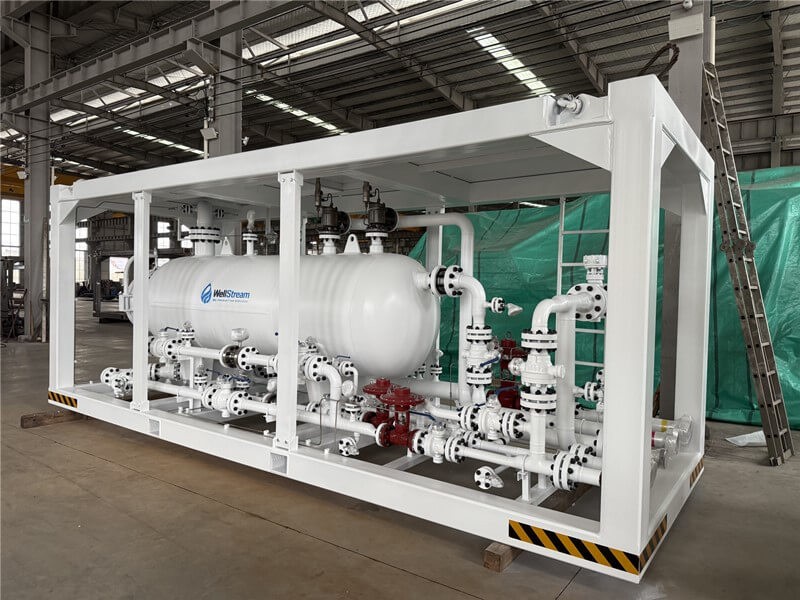
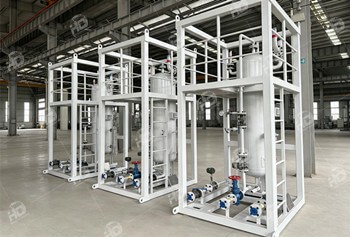
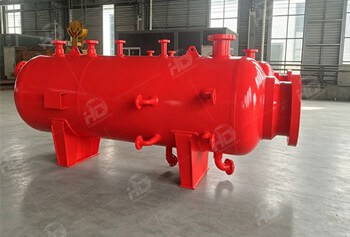
For a project in Libya, HC Petroleum completed a 1440 PSI three-phase separator with a vessel size of 42 inches in diameter and 10 feet in length. This project provides an opportunity to examine several important engineering considerations involved in specifying and manufacturing a high-pressure three-phase separator for oilfield applications.
1. Pressure Rating and Operating Conditions
Pressure rating is one of the first considerations when selecting a three-phase separator. However, a 1440 PSI rating alone does not define the complete design basis.
Engineers need to consider the required design pressure, normal operating pressure, possible pressure fluctuations, operating temperature, and the conditions expected during startup and shutdown. These factors influence the pressure vessel design and the selection of associated piping, valves, instruments, and pressure protection devices.
The final configuration should be based on the project’s approved process data and applicable design requirements rather than the pressure rating alone.
2. Vessel Size and Separation Performance
The 42" × 10' vessel size is an important part of the project specification, but vessel dimensions alone cannot determine separation performance.
A three-phase separator is designed to separate incoming well fluids into gas, oil, and water. Its performance depends on factors such as gas and liquid flow rates, fluid density, viscosity, operating pressure and temperature, and the physical properties of the incoming mixture.
Engineers must evaluate the available gas separation space and liquid retention time against the expected process conditions. The internal arrangement, liquid level control, and interface level control, where applicable, also need to be considered during the design stage.
For this reason, selecting a separator based only on vessel dimensions or pressure rating may not provide sufficient assurance that it will meet the required process performance.
3. Process Connections and Equipment Integration
A separator does not operate independently of the rest of the oilfield process system. Its inlet and outlet connections, piping arrangement, instrumentation, and pressure protection provisions must be compatible with the wider installation.
For well testing and related surface operations, the separator may form part of a larger equipment package involving flow control, gas measurement, liquid measurement, and downstream handling systems.
The required configuration depends on the project scope. Before manufacturing begins, the equipment interfaces and connection requirements should be reviewed against the approved drawings and relevant process documentation.
This coordination helps reduce interface issues during installation and supports smoother integration with the surrounding equipment.
4. Materials, Fabrication, and Inspection
Material selection and fabrication requirements should be established according to the design conditions and the characteristics of the produced fluids.
Where corrosive components such as hydrogen sulfide or carbon dioxide may be present, their concentrations and the applicable service requirements need to be evaluated. Material selection should follow the project specification and relevant standards rather than assumptions based solely on the equipment’s destination.
Fabrication quality is equally important for pressure-containing equipment. Depending on the approved design and applicable code, manufacturing quality control may include material traceability, welding procedure control, nondestructive examination, dimensional inspection, and pressure testing.
The inspection and documentation requirements should be agreed upon before production so that the completed vessel can be assessed against the applicable project acceptance criteria.
5. Designing for the Actual Oilfield Application
A 1440 PSI three-phase separator may be considered for different oilfield applications, but the appropriate design depends on the intended service.
A separator used for well testing may have different process and measurement requirements from one intended for continuous production service. Expected flow rates, gas-to-liquid ratio, water cut, fluid properties, required measurement accuracy, and operating duration all affect equipment selection.
Installation conditions also matter. The available footprint, lifting and transportation arrangements, maintenance access, and connections to other equipment should be considered during project engineering.
The objective is not simply to manufacture a vessel to a specified size and pressure rating. It is to ensure that the equipment meets the process, mechanical, and operational requirements defined for the application.
A Project-Based Approach to Three-Phase Separator Engineering
The Libya project involved a 42" × 10' three-phase separator rated at 1440 PSI. It illustrates why pressure rating, vessel dimensions, process requirements, material selection, fabrication quality, and equipment interfaces all need to be considered together when specifying oilfield separation equipment.
HC Petroleum supplies 1440 PSI test separators for surface well testing and related oilfield operations. Available configurations can be evaluated according to the required operating conditions, process data, and project specifications.
For oilfield operators, engineering contractors, and equipment procurement teams planning a similar project, providing the intended service, flow rates, operating conditions, applicable standards, and package scope at the quotation stage helps establish a clearer technical basis for equipment selection.
To discuss a three-phase separator requirement, contact HC Petroleum at sales@hcpetroleum.hk.
-
2026 / 08 / 13
 Dual Pot Sand Filter Designed and Manufactured for an Oman Oil & Gas Project
-
2026 / 08 / 07
 Three Vertical Three-Phase Separators Completed for Oil & Gas Project by HC Petroleum
-
2026 / 07 / 24
 Two 1440 PSI Three-Phase Separators Completed for Nigeria Oil & Gas Project
- +86 158 6190 3617
