





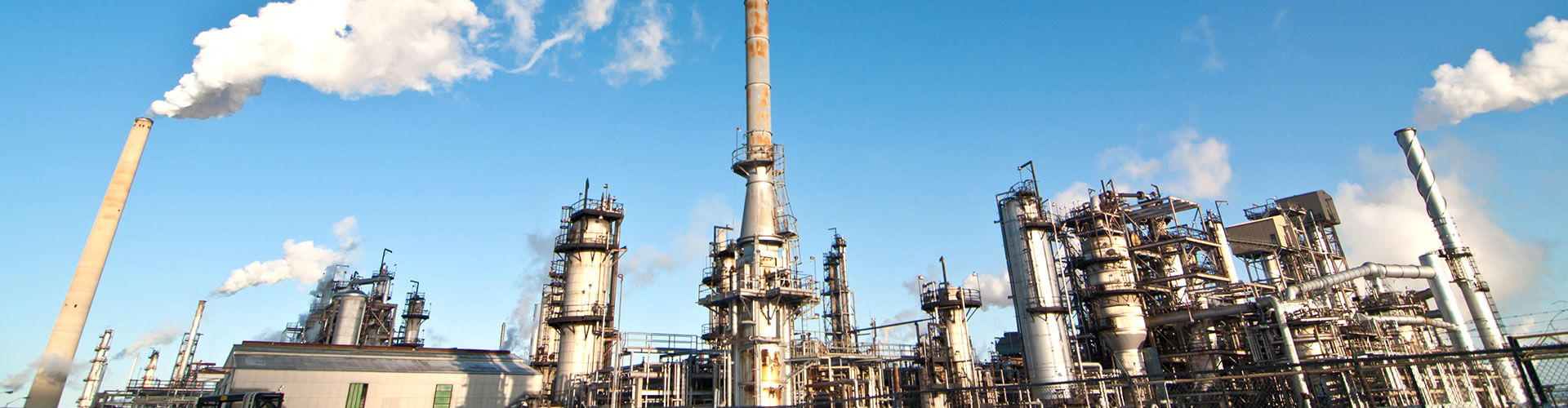
In oil and gas early production facilities, three phase separators are often treated as standard equipment, yet their actual performance in the field varies far more than many early-stage designs anticipate. Two separators with similar pressure ratings and nominal capacities may behave very differently once exposed to real operating conditions, especially during the first months of production. In many cases, unstable liquid levels, intermittent carryover, or downstream fouling are not caused by poor operation, but by design assumptions that did not fully reflect how the well would actually produce.
A common issue arises from the way production data is interpreted during the design phase. Early production profiles are rarely stable. Flow rate, gas-oil ratio, and water cut tend to change continuously, sometimes within a much wider range than initial forecasts suggest. Designing a three phase separator around a single operating point may appear sufficient on paper, but it often leaves little margin once production behavior begins to shift. From a practical engineering perspective, separation performance across a range of conditions is usually more important than peak capacity alone.
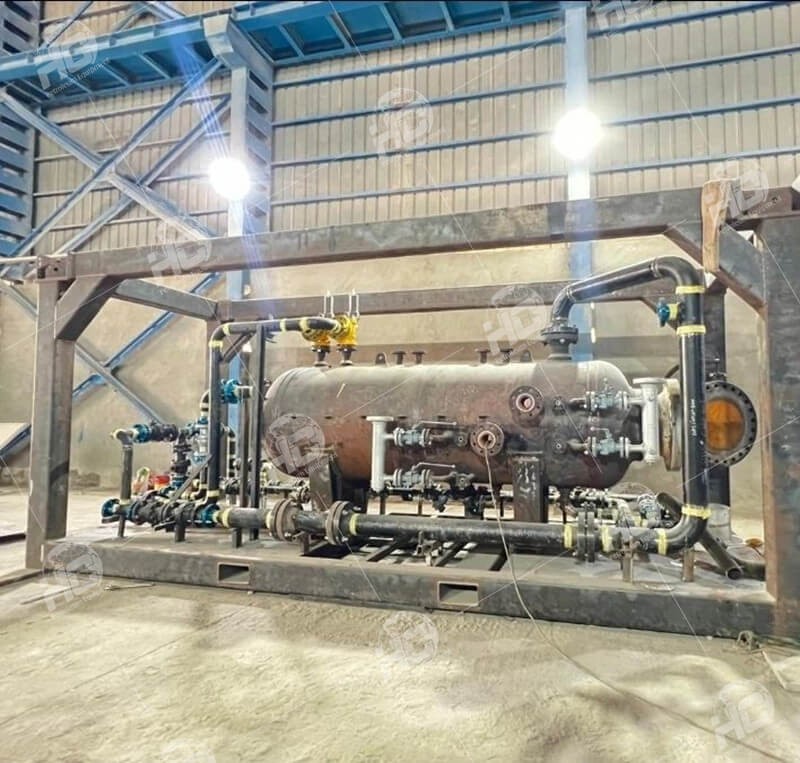
Separation efficiency must also be evaluated in relation to downstream equipment rather than in isolation. In some facilities, minor water carryover into the oil phase can be tolerated without immediate consequences. In others, particularly where heaters, pumps, or dehydration units follow the separator, even small levels of phase contamination may accelerate wear or create operational instability. These downstream sensitivities influence decisions on residence time, inlet configuration, and level control philosophy. Increasing vessel size alone does not necessarily resolve these issues, and in some cases can even complicate liquid level control under low-flow conditions.
Solid production is another factor that is frequently underestimated during separator selection. Sand production, especially during early well life or in unconsolidated formations, can significantly affect long-term operation. Without adequate consideration for sand settling and removal, solids tend to accumulate inside the vessel, reducing effective volume and interfering with instrumentation. Addressing this only after commissioning usually leads to frequent shutdowns for cleaning, whereas incorporating sand management into the original separator design provides a far more stable solution.
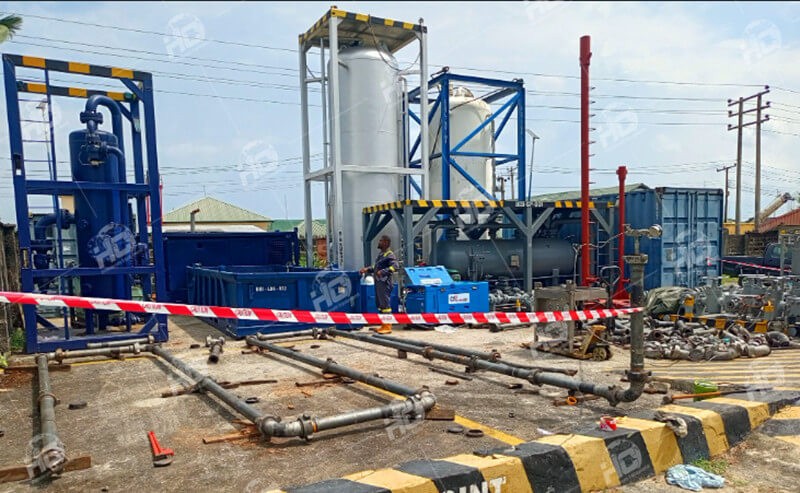
Environmental and site conditions further shape how a separator performs once installed. Cold-region operation affects fluid properties and material behavior, while remote locations often require simplified operation and minimal maintenance intervention. Space limitations may impose constraints on vessel orientation, nozzle arrangement, or skid layout. These factors cannot be resolved through mechanical calculations alone and often require trade-offs between layout practicality and idealized process design.
In practice, many projects benefit from a level of customization that goes beyond standard separator configurations. While standardized designs offer predictable costs and shorter delivery times, they are not always well suited to fluctuating production, high solids content, or restrictive site conditions. A customized three phase separator allows design choices to be guided by actual field behavior rather than nominal data, often resulting in improved operational stability over the life of the facility.
A three phase separator should therefore be considered not as a standalone pressure vessel, but as an integral part of the production system. When its design reflects real operating conditions, downstream requirements, solids behavior, and site constraints, the separator contributes to stable operation instead of becoming a source of recurring adjustment and maintenance.
-
2026 / 08 / 13
 Dual Pot Sand Filter Designed and Manufactured for an Oman Oil & Gas Project
 -
2026 / 08 / 07
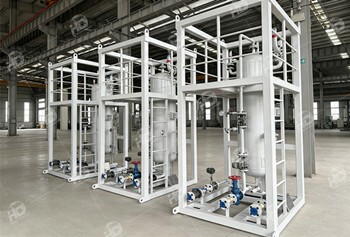 Three Vertical Three-Phase Separators Completed for Oil & Gas Project by HC Petroleum
 -
2026 / 07 / 24
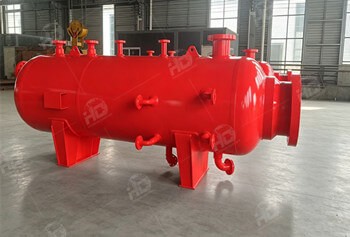 Two 1440 PSI Three-Phase Separators Completed for Nigeria Oil & Gas Project
- +86 158 6190 3617
