





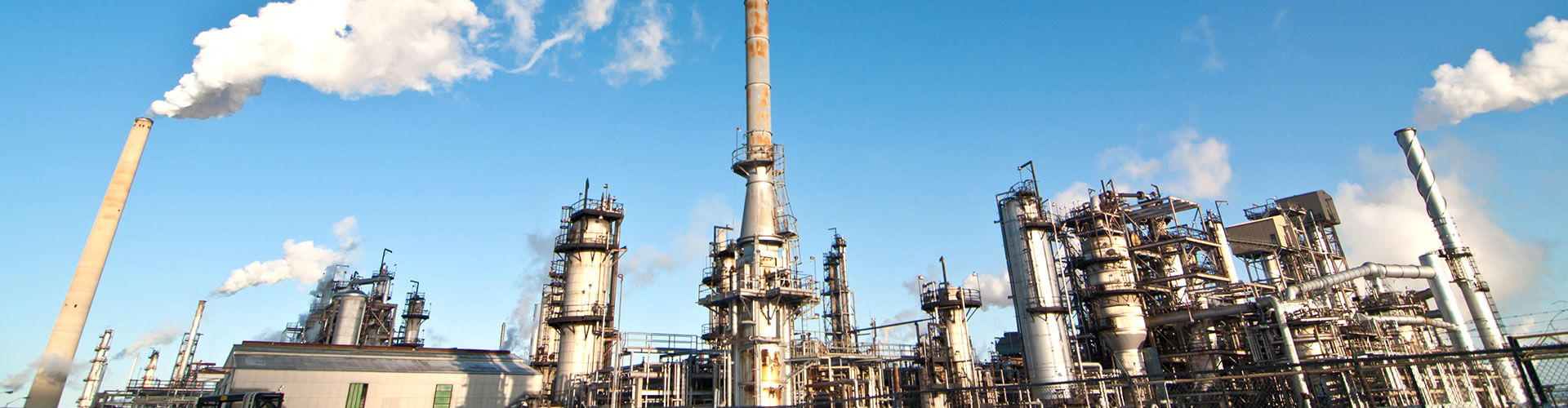
In oil and gas field projects, oil gas separators and oil water separators are often confused with each other, and in some cases even regarded as the same type of equipment with only different separation efficiency. However, from the perspective of process design and equipment engineering, the differences between them are quite clear, as they serve different purposes under different operating conditions and are installed at different stages of the production system.
1. Different Positions in the Process Flow
In a typical oil and gas production process, the sequence clearly illustrates the difference: Wellstream → Oil Gas Separator → Oil Water Separator
The oil gas separator is installed at the upstream stage to handle multiphase flow directly from the well. After gas is removed, the remaining liquid (oil and water mixture) is then sent to the oil water separation system.This means the two separators operate at completely different stages of the process.
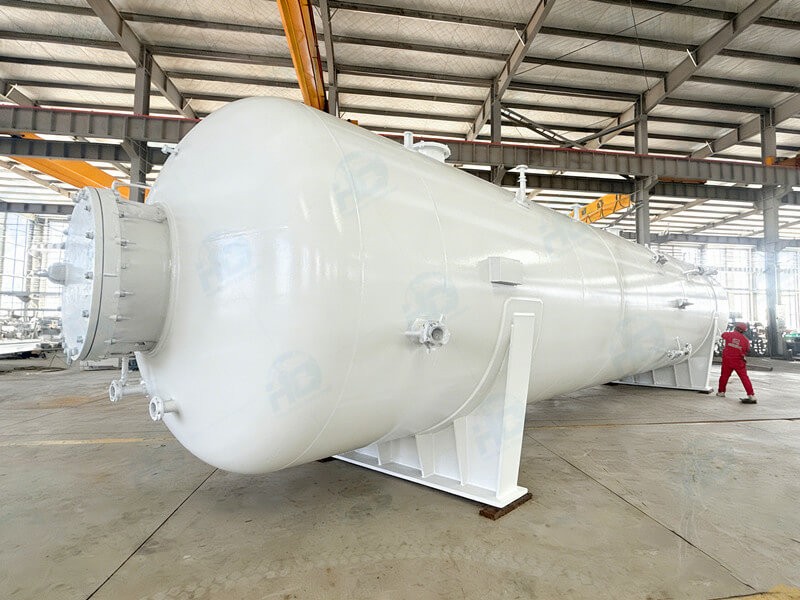
2. Oil Gas Separator: Gas-Liquid Separation
An oil gas separator (two-phase or three-phase separator) is essentially a pressure vessel designed to process multiphase fluids from the wellhead.Its primary function is not to achieve precise oil-water separation, but to: Efficiently remove gas from the liquid stream.
Key characteristics include:
Operates under medium to high pressure conditions.
Handles gas, oil, and water mixtures simultaneously.
Internal components focus on gas-liquid separation, such as inlet devices and mist eliminators.
The main design objective is to prevent liquid carryover in the gas phase and ensure stable gas separation.
3. Oil Water Separator: Liquid-Liquid Separation
In contrast, an oil water separator deals with a completely different scenario.By the time fluid reaches this stage, most of the gas has already been removed. The remaining fluid is primarily a mixture of crude oil and water.
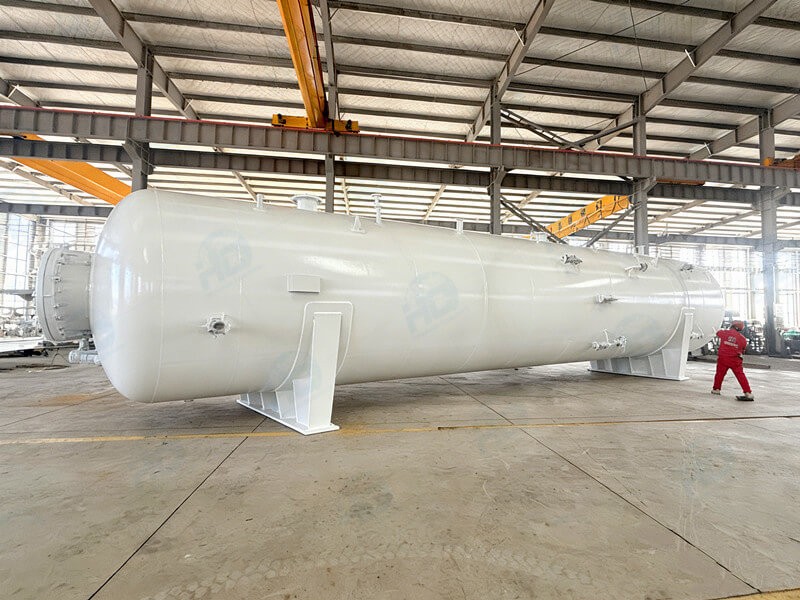
Separation of oil and water phases
Typical features include:
Operates at relatively low pressure, often near atmospheric conditions.
Relies on gravity settling, coalescence, or enhanced separation techniques.
Internal design aims to improve droplet coalescence and phase disengagement.
In cases where emulsification is severe, chemical demulsification or heating may be required to achieve effective separation.
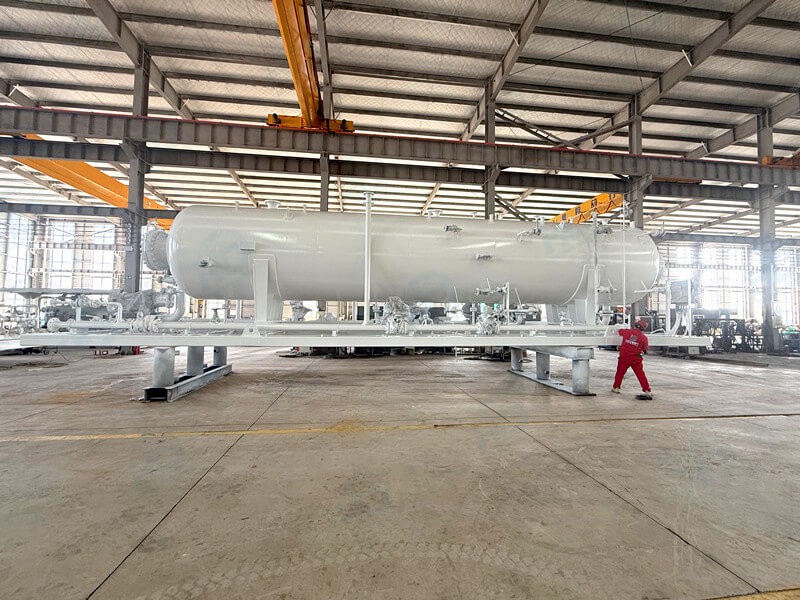
In summary, the oil gas separator is responsible for gas-liquid separation as a key upstream unit, whereas the oil water separator is used for oil-water separation in downstream processing. Their differences lie not only in function, but also in process position, design philosophy, and operating conditions, making both of them essential components in oil and gas production systems.
HC Petroleum Equipment provides customized solutions for oil and gas separation systems, including oil gas separators, oil water separators, and integrated processing units. For more information or project inquiries, please contact: sales@hcpetroleum.hk
-
2026 / 08 / 13
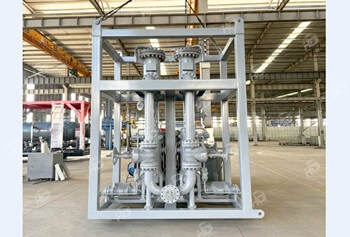 Dual Pot Sand Filter Designed and Manufactured for an Oman Oil & Gas Project
 -
2026 / 08 / 07
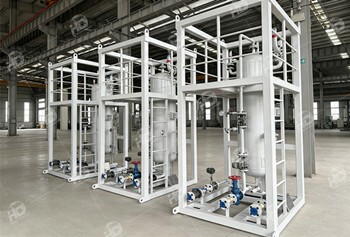 Three Vertical Three-Phase Separators Completed for Oil & Gas Project by HC Petroleum
 -
2026 / 07 / 24
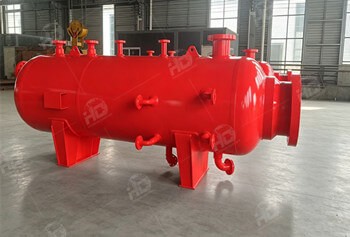 Two 1440 PSI Three-Phase Separators Completed for Nigeria Oil & Gas Project
- +86 158 6190 3617
